
About
About Studio JA
Founded in 2002 by Jayakumar Soman, and later joined by Pradeep Sukumaran, for over two decades, Studio JA has championed a distinct architectural style that bridges tradition and modernity. Our approach is inspired from regional vernacular wisdom, natural local materials, and authentic Indian craftsmanship, which we express through a refined, contemporary design language. Every architectural project we undertake reflects an uncompromising attention to structural detail and honors the relationship between human habitats and natural ecosystems.
Our portfolio features a highly diverse range of influential, benchmark sustainable design projects engineered across distinct microclimates and geographies in India, including Karnataka, Kerala, Goa, Dehradun, and Ladakh. Driven by ecological intelligence and community values, our comprehensive master planning principles respond directly to the real-world challenges of global warming, climate change, and rapid urbanization.
As premier eco-friendly architects, the form, orientation, and expression of our buildings are strictly guided by regional culture, context, and climate conditions. By integrating passive building systems and advanced energy-saving strategies, we deliver resilient, climate-sensitive solutions built to revitalize urban areas, foster self-sufficient communities, and reduce reliance on artificial energy. At Studio JA, we create regenerative architecture that improves everyday city life while preparing communities to thrive in changing environments.
DESIGN PHILOSOPHY
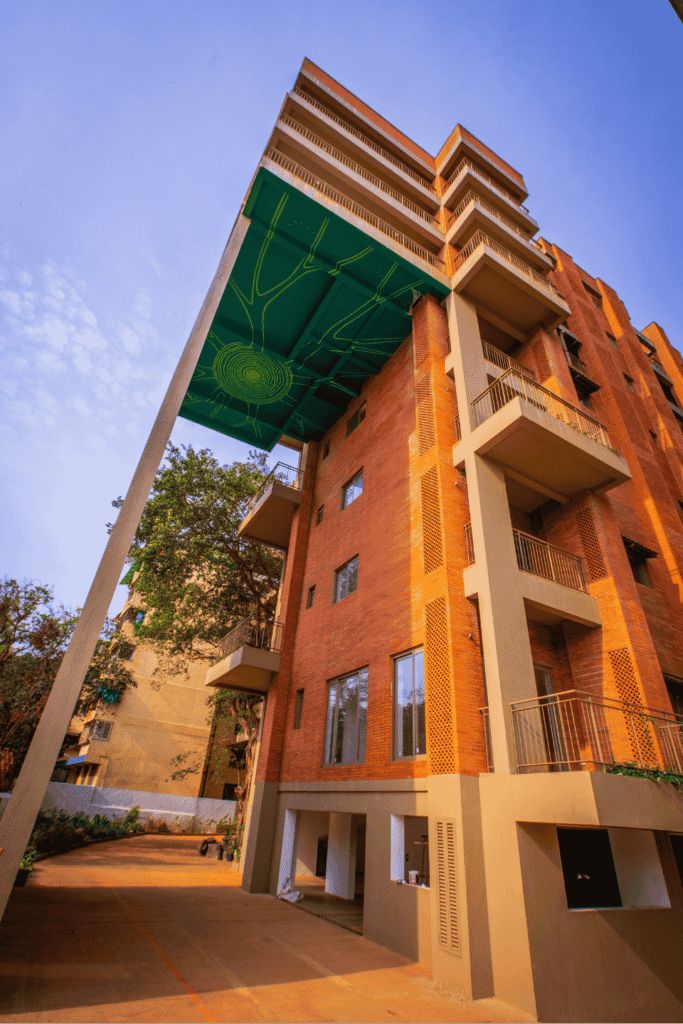
Sustainability drives our design and choice of materials such that you and your environment form a relationship for life. We use a combination of modern and traditional details creating a unique aesthetic. We integrate traditional crafts into our designs. Our choice of building materials is based on a balance of local availability, efficiency of manufacturing processes and durability over time. Natural materials make our buildings more comfortable and age beautifully. Optimal use of resources and building life-cycle become primary guidelines in design.
Building envelope design using eco-friendly materials and thermal insulation for walls and roofs become primary aspects of our approach to design. Long term maintenance and cost-effective analysis are always considered before incorporating any material.
We have been in the field of alternative architecture and eco-sensitive design for the past twenty years. Through our efforts we aspire to inspire change. With every project we undertake we gain new insights and are better equipped to provide solutions.
SERVICES
We practice integrated design across the entire built environment, working along a seamless continuum that includes:
Our focus lies not in specialising in specific building typologies, but in pursuing innovation toward better futures. This aрproach has led to recognition across diverse award categories.
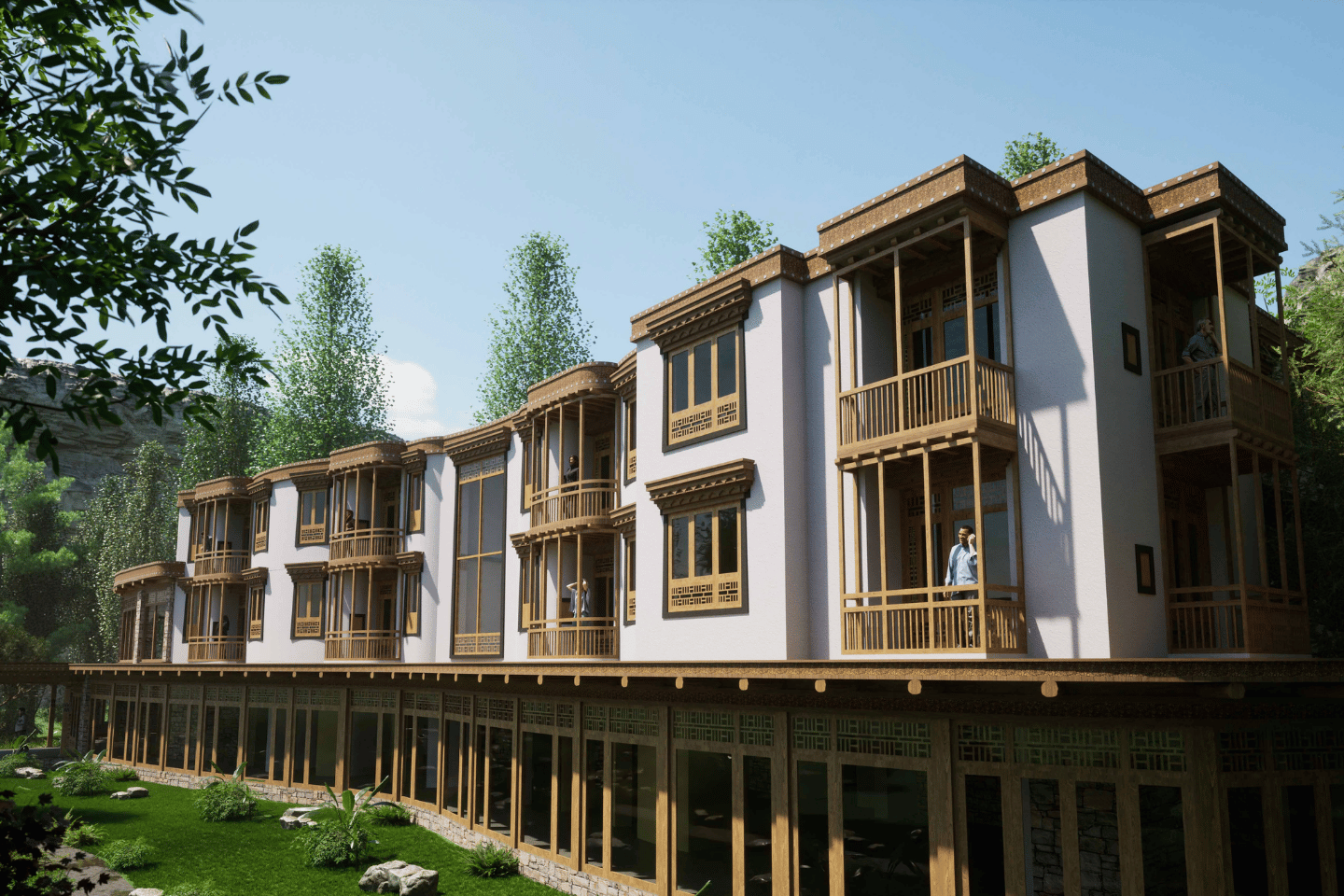
Jayakumar & Associates has undertaken projects across Bangalore, Kerala, Goa, Dehradun, Mangalore, Leh, and Nubra Valley in Ladakh – responding sensitively to varied geographies, cultures, and climatic conditions.
With particular expertise in tropical architecture, we understand the complexities and opportunities of designing within this unique climatic zone. Our work in the tropics integrates passive design strategies, material intelligence, and contextual sensitivity to create environments that are both sustainable and enduring.
ECO CONSCIENCE
Engaged with diverse range of projects for the last 20 years, the firmsees a multiplicity of experiences as necessary for the evolution of sustainable design solutions.
The practice engages in work that ranges from design of housing communities, corporate work spaces, private individual commissions, to institutional buildings, hospitality as well as projects driven by non-governmental agencies. As a design studio, the firm collaborates with consultants for structural and allied building services.
Maintaining a smallcore group, the firmworks actively with local craftspeople to develop and refine construction details and methods of buliding that are relevant, sustainable, and founded on local knowledge.
Practice Overview
Our built projects range from private homes and housing developments to hotels, public housing, and institutional buildings. We have also proposed numerous mixed-use schemes that integrate multiple – and often all -building typologies within a single structure.
We describe this approach as “Macro-Architecture, Micro-Urbanism.” Increasingly, our focus has been on designing buildings as integrated mini-cities – self-sustaining, socially vibrant environments that contribute positively to the larger urban fabric. Rather than isolated objects, our projects are conceived as catalysts that regenerate their context and nurture sustainable, connected communities.
Over the years, Jayakumar & Associates has received several awards and recognitions for its contribution to sustainable and socially responsive architecture.
Design Philosphy
Our Sustainable Design Framework is best described through the below pillars
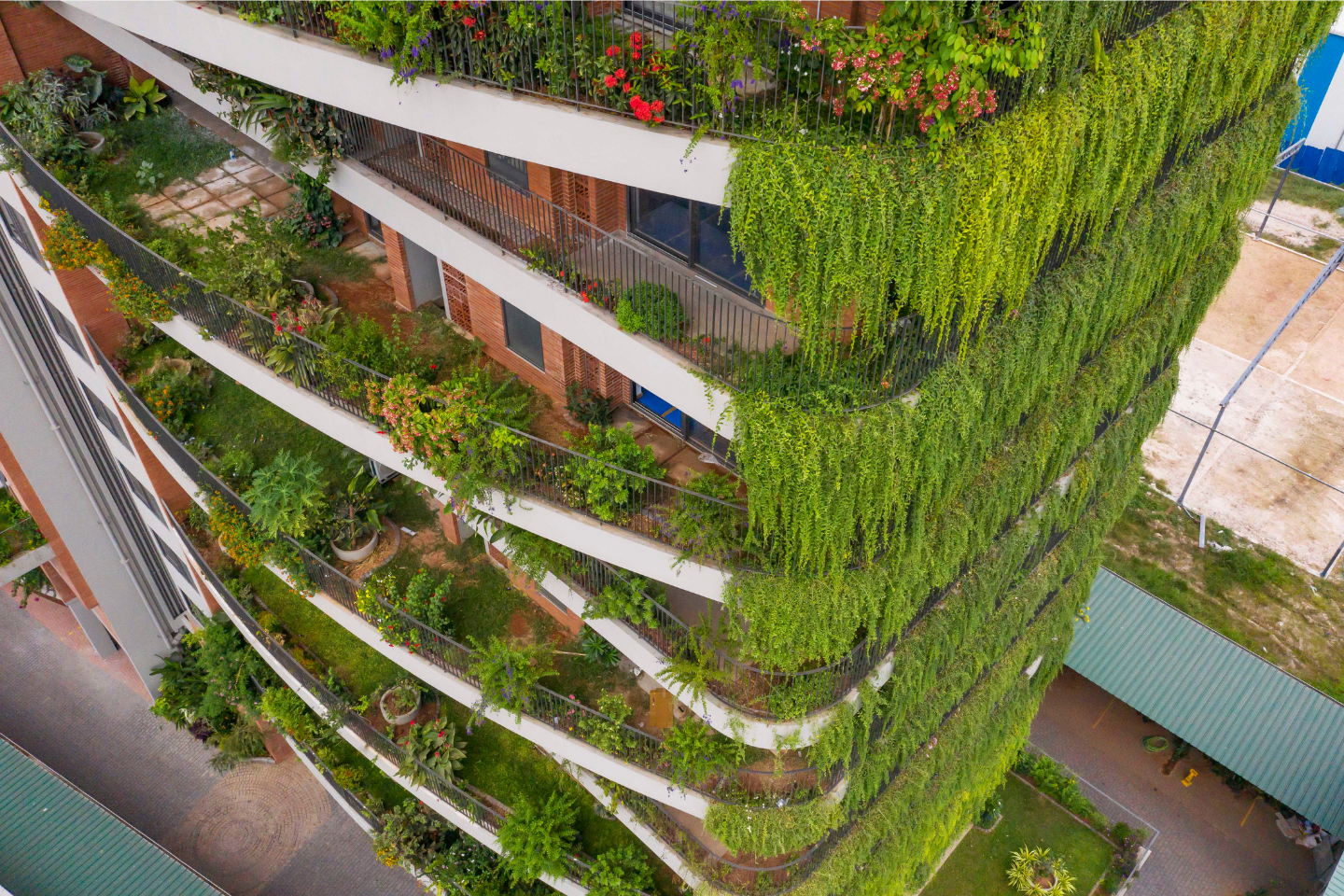
🌱 Green & Organic Architecture – We design living structures built with eco-friendly, natural materials that lower environmental impact and age beautifully over time.
☀️ Passive Energy & Bioclimatic Design – We optimize building orientation, thermal insulation, and natural ventilation to reduce reliance on artificial heating and cooling.
💧 Advanced Water Management – We integrate smart strategies directly into the site master planning to protect local ecosystems and foster resource self-sufficiency.🪵 Local Crafts & Materials – We balance local material availability with production efficiency, preserving traditional Indian craftsmanship within modern forms.
🔄 Lifecycle & Cost Optimization – Every design decision undergoes strict lifecycle analysis to guarantee long-term durability, low maintenance, and cost-effective performance.
91, 3rd floor, 17th Cross, 27th Main, Sector-2, H.S.R. Layout, Bangalore-560102
[email protected]
+91-80-29766662
Monday — Saturday 10 am – 4 pm
Sunday — Closed
“We believe that design can be used as a tool to create environments that are responsive to climate, location and human needs.”